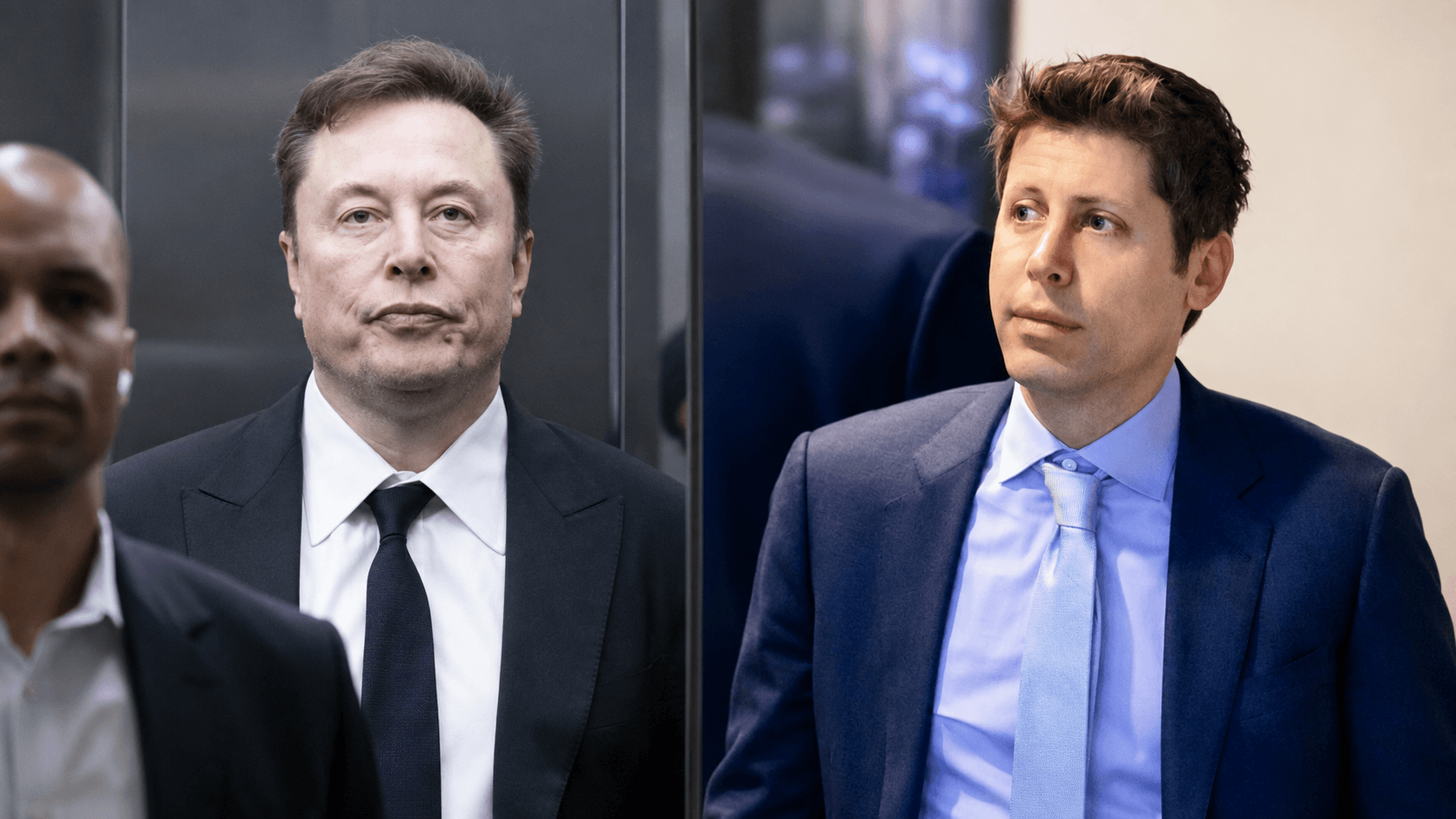
One of the biggest courtroom showdowns the tech world has ever seen ended quickly — and decisively. A federal jury in Oakland needed less than two hours to reject every legal claim Elon Musk brought against OpenAI, Sam Altman, Greg Brockman, and Microsoft. Musk walked away with nothing after a trial that stretched across three weeks.
What Musk Was Suing Over and the $134 Billion He Wanted
Musk built his case around the argument that OpenAI's leadership had betrayed the company's original charitable mission. He testified that he donated approximately $38 million to the organization based on a clear understanding that it would develop artificial intelligence for the good of humanity not for personal financial gain.
His legal team asked the court to strip OpenAI and Microsoft of up to $134 billion in what they described as wrongful profits. They also pushed to have Altman and Brockman removed from their leadership positions entirely.
Why the Jury Said No, Statute of Limitations Was the Deciding Factor
The jury's decision came down to timing, not the substance of Musk's underlying grievances. OpenAI established its for-profit subsidiary back in 2019. Musk didn't file his lawsuit until 2024 years past both the two-year deadline for an unlawful enrichment claim and the three-year window for a charitable trust claim.
That gap proved fatal to every count. The jury found that Musk's claims against OpenAI, Altman, Brockman, and Microsoft were all barred by those expiration windows. None of the defendants were held liable.
What OpenAI Said in Its Defense
OpenAI's lawyers argued that Musk's original donations came without any binding restrictions. They also said moving to a for-profit model was a practical necessity and the only realistic way to compete with well-funded rivals like Google DeepMind.
More damaging for Musk, OpenAI's defense revealed that he had once backed a for-profit restructuring himself, on the condition that he retain control of the company. The company's legal team framed the entire lawsuit as a strategic attempt to weaken a competitor after Musk lost influence over OpenAI's direction.
What Comes Next, The Judge Still Has Final Say
The jury's verdict is advisory, not final. Judge Yvonne Gonzalez Rogers retains authority to make the binding liability decision, which means the case isn't technically over yet. She could diverge from the jury's findings.
The ruling arrives at a pivotal moment for both parties. OpenAI recently secured a fundraising round that valued the company at more than $850 billion, with $122 billion raised. Musk, separately, is preparing to pitch investors ahead of a SpaceX IPO following xAI's merger with SpaceX earlier this year.
Conclusion
A federal jury handed Elon Musk a clear defeat in his legal fight against OpenAI and Sam Altman, finding he waited too long to sue. The case isn't completely closed Judge Gonzalez Rogers will have the final word but all defendants have been cleared by the jury on every count. The verdict marks a defining moment in the legal, ethical, and competitive battles now shaping the AI industry.